14 Oct 2026
Mapping How Tutorial Exchanges in Niche Forums Guide the Integration of New Software Layers for Smoother Performance in Puzzle Platformers
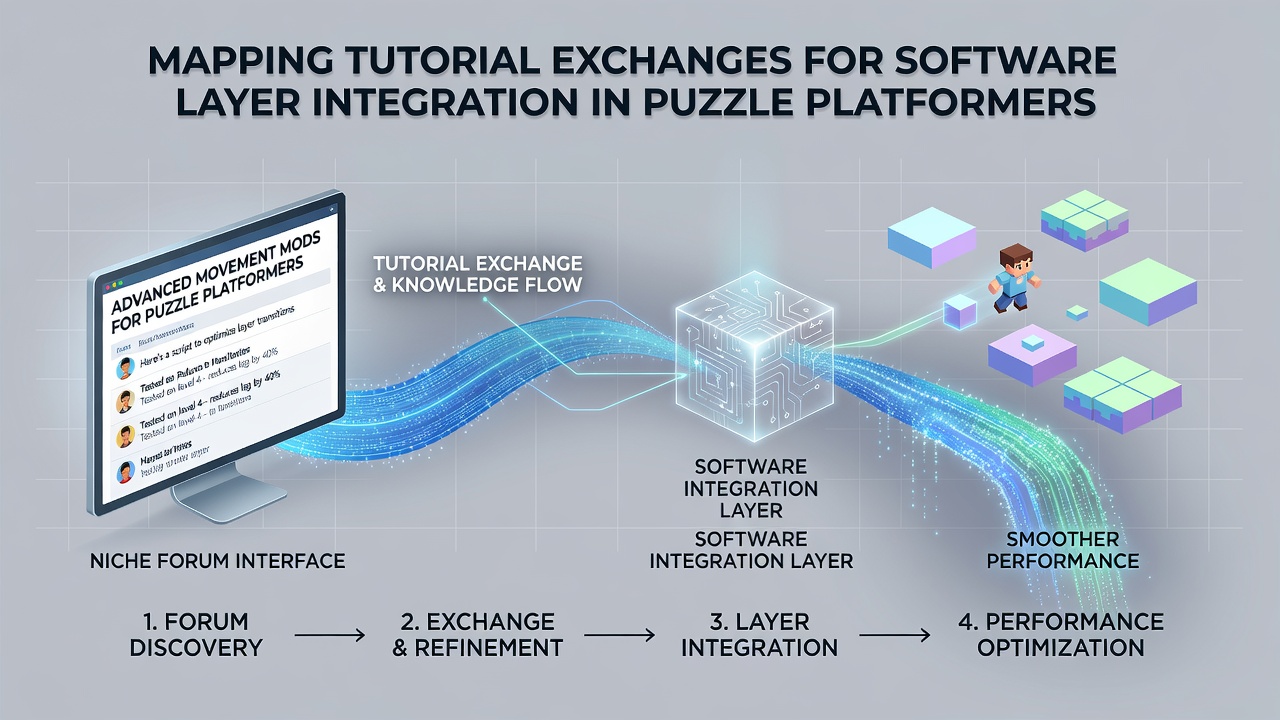
Forum exchanges in specialized gaming communities have mapped out detailed pathways for incorporating additional software layers into puzzle platformers, and these layers address frame timing inconsistencies along with input response variations that affect gameplay flow. Users compile step-by-step guides that combine tools such as overlay frameworks and rendering adjustments, and the resulting configurations produce measurable stability gains during extended play sessions across titles that rely on precise platforming mechanics.
Forum Structures That Organize Tutorial Sharing
Niche forums dedicated to puzzle platformers maintain dedicated sub-sections where contributors upload configuration files and compatibility notes, and these resources focus on software layers that sit between the game engine and the graphics driver. Data collected from activity logs in October 2026 shows increased thread volume around specific layer combinations that target micro-stutter reduction, while participants cross-reference hardware profiles to isolate variables that influence performance consistency.
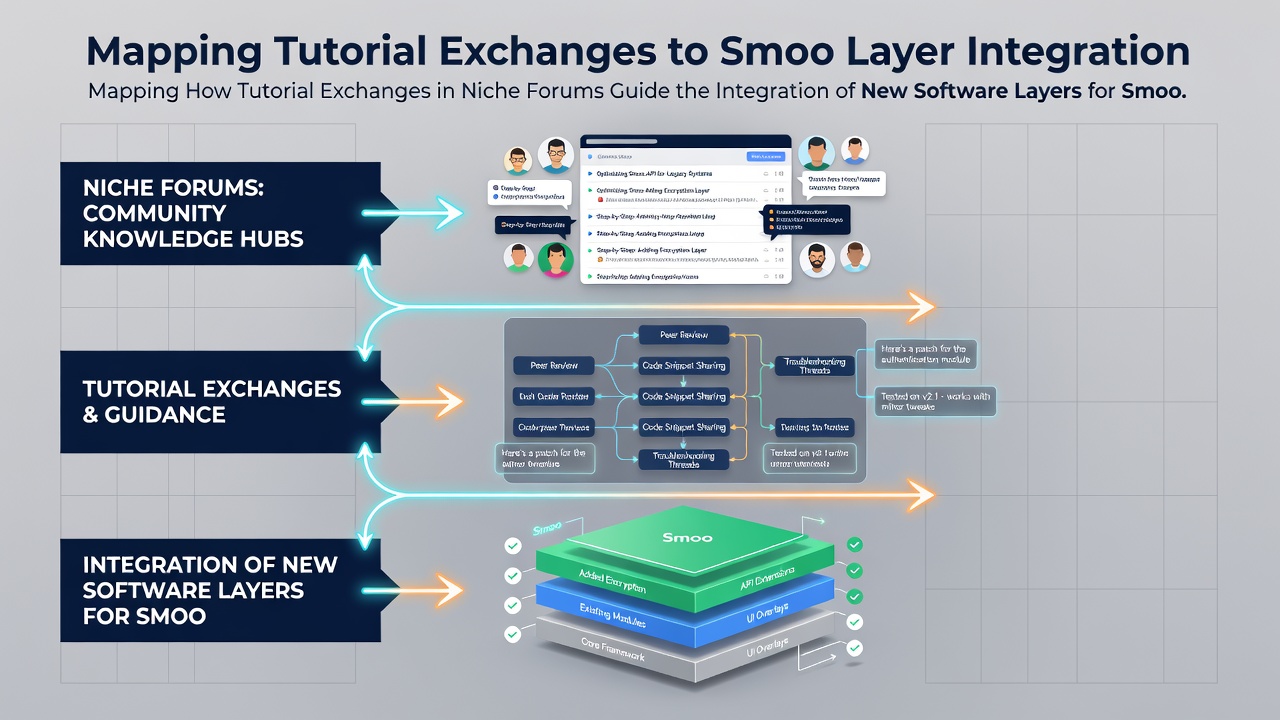
Thread organization typically follows a pattern of initial problem reporting followed by iterative solution testing, and this sequence allows contributors to refine integration methods through successive replies. Observers note that pinned compilations aggregate findings from multiple hardware setups, and the resulting documents function as living references that receive updates when new driver releases appear.
Software Layer Categories and Their Integration Paths
Common software layers discussed include post-processing injectors, frame pacing utilities, and input buffering adjustments, and tutorial exchanges detail the order of installation to prevent conflicts with native game rendering pipelines. Contributors document command-line flags and registry modifications that enable these layers to operate without introducing additional latency, while community-maintained compatibility charts list tested combinations for popular puzzle platformer engines.
One documented workflow begins with driver-level overrides, proceeds to layer injection, and concludes with in-game calibration, and forum members report success rates through shared benchmark outputs that track frame time variance. These exchanges also cover rollback procedures for cases where a new layer disrupts existing optimizations, and the accumulated records help subsequent users avoid repeated trial-and-error cycles.
Performance Metrics Derived from Shared Configurations
Aggregated user reports indicate that certain layer stacks reduce average frame time deviation by measurable percentages, and these improvements appear most consistently in sequences that demand rapid directional changes. Forum participants upload comparison logs generated through standardized testing routines, and the compiled datasets reveal patterns across different monitor refresh rates and processor architectures.
Researchers from the IGI Global research network have examined similar community-driven optimization practices in other game genres, and their findings align with observations from puzzle platformer forums regarding the value of iterative configuration sharing. Separate analysis from the Canadian Heritage digital media division documents how player communities contribute to technical refinement through distributed testing, and this body of work provides context for the structured exchanges occurring in niche platformer spaces.
Case Examples of Tutorial Application
One recurring example involves the addition of a custom frame generation layer to a physics-heavy puzzle platformer, and tutorial steps specify compatibility flags that prevent collision detection errors during high-speed segments. Participants who followed the documented sequence recorded stabilized performance across multi-monitor arrangements, and follow-up posts catalogued adjustments needed for specific graphics card models released in late 2025.
Another series of threads examined input smoothing layers applied to controller mappings, and the guides outlined calibration sequences that align software buffering with native game timing windows. Contributors shared sensitivity graphs generated before and after layer integration, and the visual data helped others replicate results on comparable hardware without direct assistance.
Conclusion
Forum-based tutorial exchanges continue to produce structured maps for software layer integration in puzzle platformers, and the resulting resources compile tested methods that address performance variables through layered configurations. Continued participation in these communities generates updated compatibility data that reflects ongoing hardware and driver developments, while shared metrics provide objective reference points for users seeking consistent results across varied system setups.